How Fish Change
High Mountain Streams
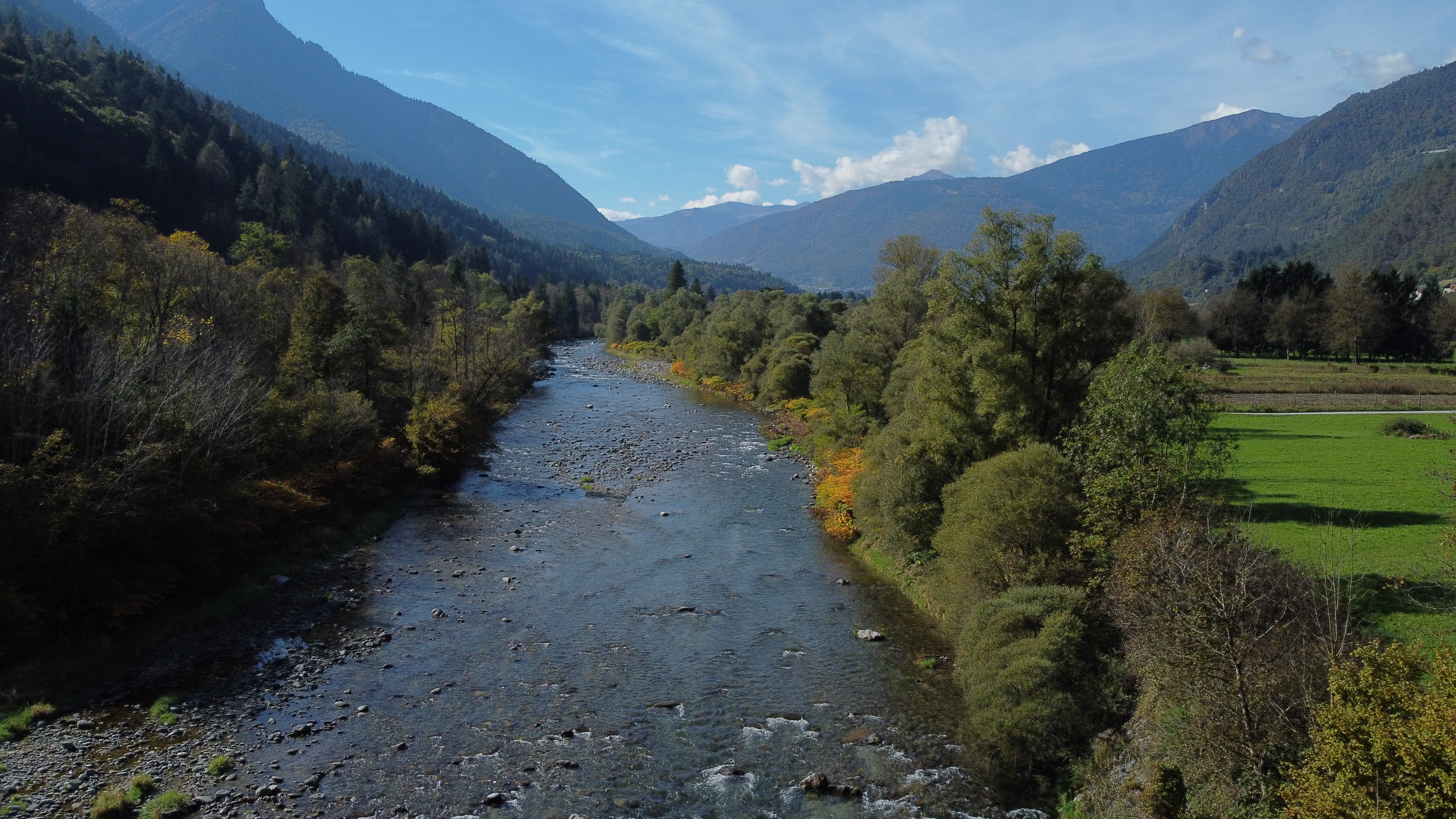
In high-altitude waters, trout live in a challenging environment. Water temperatures are colder, the growing season is shorter, and food availability is often limited. As a result, fish tend to be opportunistic and react quickly to a well-presented fly. They are usually territorial and occupy small feeding lies behind rocks and in pocket water.
Valley Rivers
As rivers descend into the valleys, conditions become more stable. Water temperatures increase, insect life becomes richer, and fish have access to a wider range of food sources. Trout often grow larger and become more selective, especially during hatches. Presentation becomes increasingly important.
Large Rivers
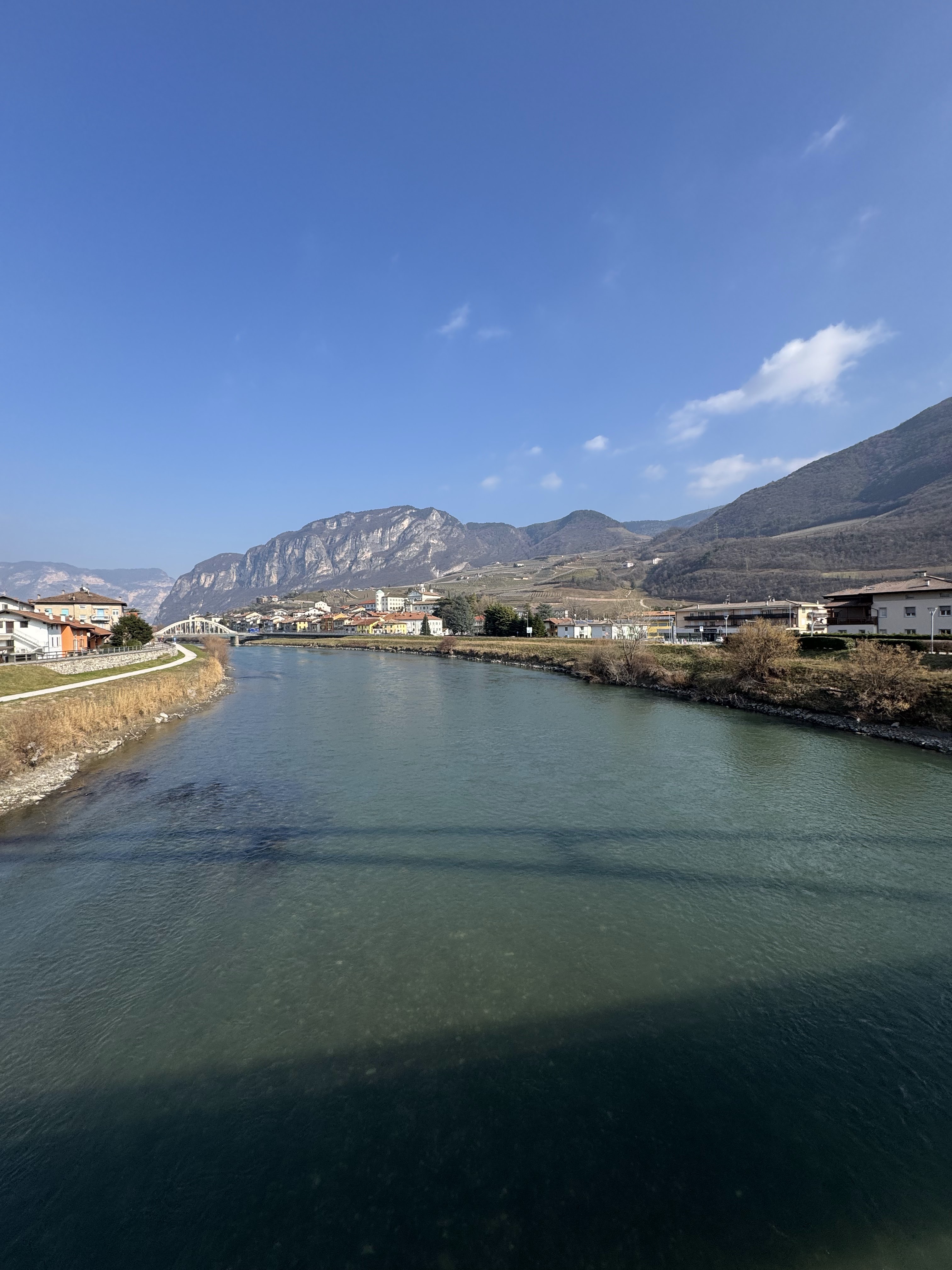
Big rivers create a completely different ecosystem. Fish have access to enormous feeding areas and often move considerable distances in search of food and suitable conditions. Finding the fish becomes just as important as presenting the fly correctly.


How the Approach Changes
In Small Mountain Streams
Fishing is active and dynamic. Anglers move frequently, cover water efficiently, and focus on likely holding spots. Stealth is often more important than casting distance.
In Valley Rivers
Observation becomes crucial. Watching insect activity, identifying feeding lanes, and understanding fish behavior are often the keys to success.
In Large Rivers
Strategy becomes everything. Successful anglers learn to identify high-percentage zones such as current seams, depth changes, side channels, and seasonal holding areas.
High mountain streams reward instinct and mobility. Valley rivers reward observation and precision. Large rivers reward strategy and understanding. Learning to adapt to each environment is what transforms an angler into a true student of the river.

Stefano Fedrizzi
Areas: Alto Sarca and Basso Sarca, including their tributaries and lakes; the Chiese River, its tributaries and lakes; Val di Sole and Val di Non, including the Noce River and its tributaries; and the Avisio stream in Val di Cembra
 ${ item.descriptiveDate }$
  ${ item.localityAddress }$
  Request information
 ${item.telephone}$
 Website
 Request information
 ${item.telephone}$
 Website